The Project
Denkmal -
Bodil Begtrup
and Human Rights
Ambassador and UN delegate Bodil Begtrup (1903–1987), as one of the most important driving forces behind the UN Universal Declaration of Human Rights (1948), left a lasting mark on post-war history. Together with, among others, Eleanor Roosevelt, Bodil Begtrup ensured that women’s rights were included. Very few people know this.
We are changing that now.
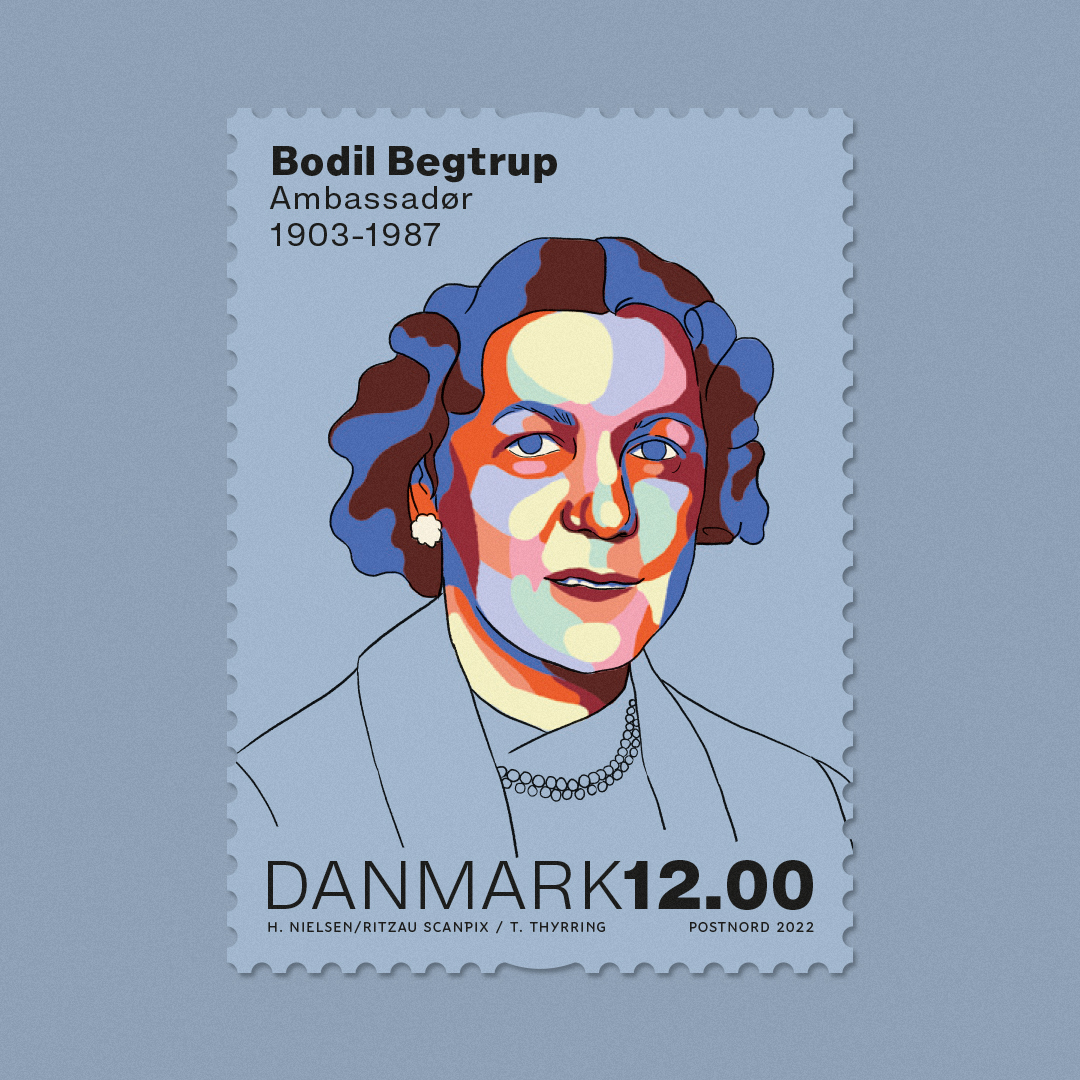
Project Denkmal will bring Bodil Begtrup’s story to life for a new generation
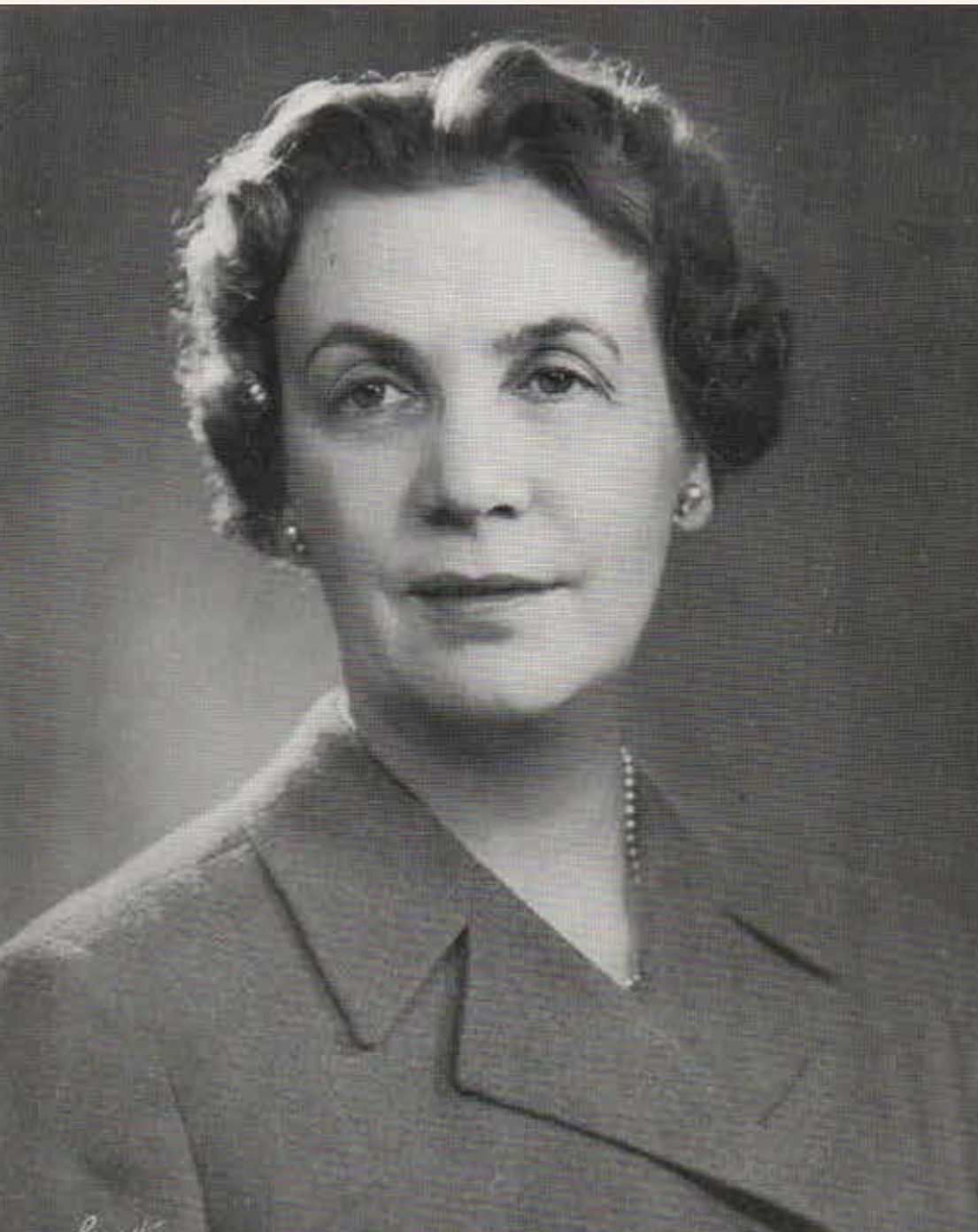
This is what we aim to do
Bodil Begtrup’s legacy
With this project, we seek to bring Bodil Begtrup’s intellectual legacy and practice—quiet diplomacy—into our own time by researching, disseminating, and communicating knowledge of her life’s work: the struggle for human rights, for gender equality, and for democracy.
This will take place through a range of activities that will shed light on her significance and inspire continued work:
- Biography (Gads Forlag, 2028) by Professor Martin Zerlang, photo section by photographer Katrine Ussing
- Reprint of Bodil Begtrup’s memoir, ‘Woman in a World Community’ (1986)
- Collaboration with relevant NGOs/IGOs and other organisations
- A monument is being erected in honour of Bodil Begtrup and Human Rights, in collaboration with the Ministry of Foreign Affairs, at Asiatisk Plads in Copenhagen.
Listen in
Podcasts
In the podcast series PORTRÆT, you can listen to cultural journalist Tore Leifer’s two episodes about Bodil Begtrup’s life and work. (You can find the full series wherever you usually listen to podcasts).
WOMAN IN A WORLD COMMUNITY – BODIL BEGTRUP 1:2
THE UNRULY DIPLOMAT – BODIL BEGTRUP 2:2
Why now?
Everything can be woven together into a common goal
Denmark will hold a seat on the UN Security Council in 2025–2026 and will chair the Arctic Council in 2025–2027. This provides an occasion to remember Bodil Begtrup’s exceptional work both for and within the UN, her impressive ability to build bridges and create dialogue—nationally and internationally—and, not least, her role as a human rights advocate in everything she undertook.
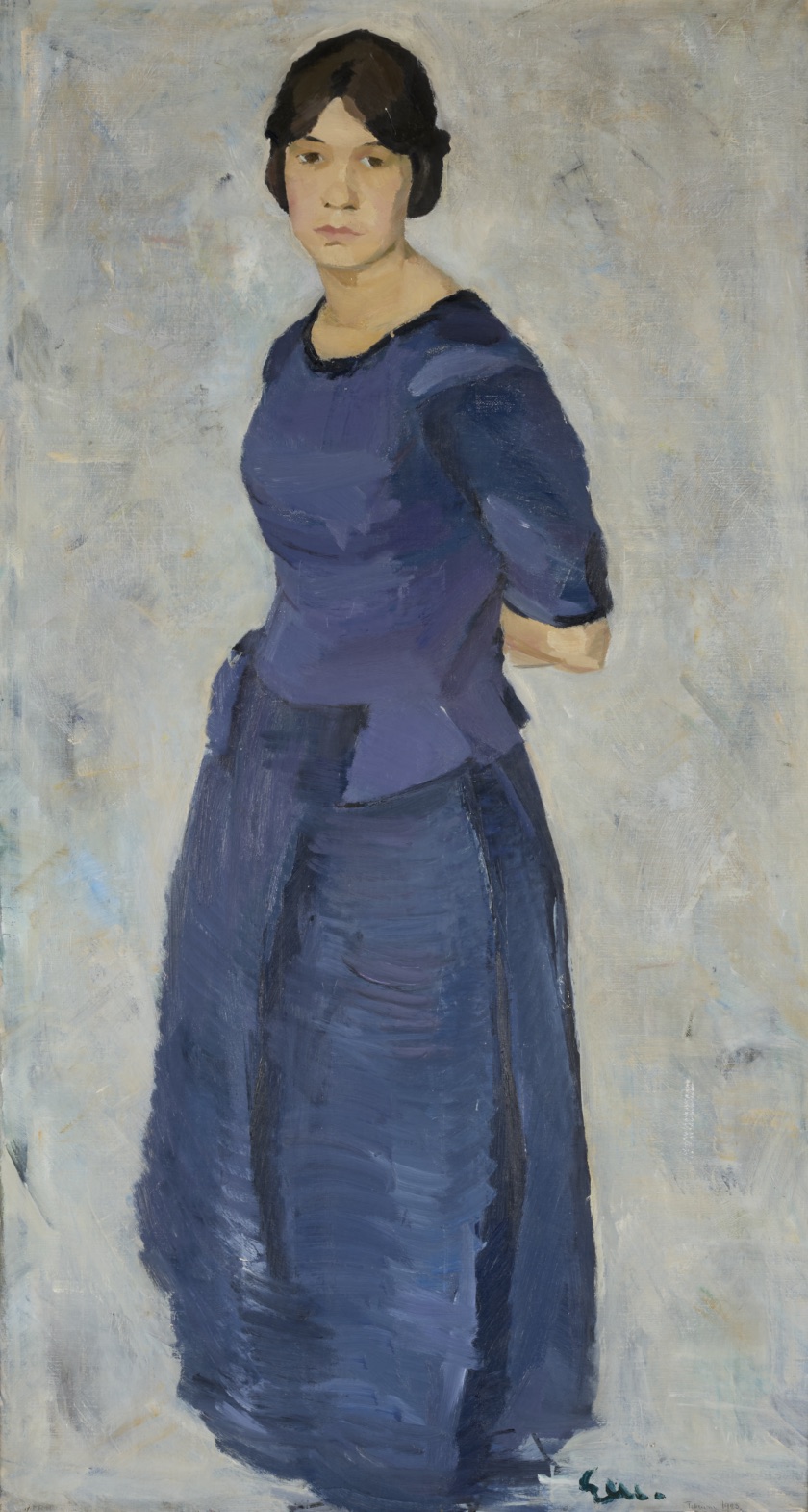
Ernst August Mentze:
Bodil Begtrup (née Andreasen), 1922
Oil on canvas, 128 x 69.5 cm
Frederiksborg • Museum of National History
Photo: Frederiksborg • Museum of National History
The Nordic
‘500 years of community does not pass without leaving its mark’
(quote from the memoir)
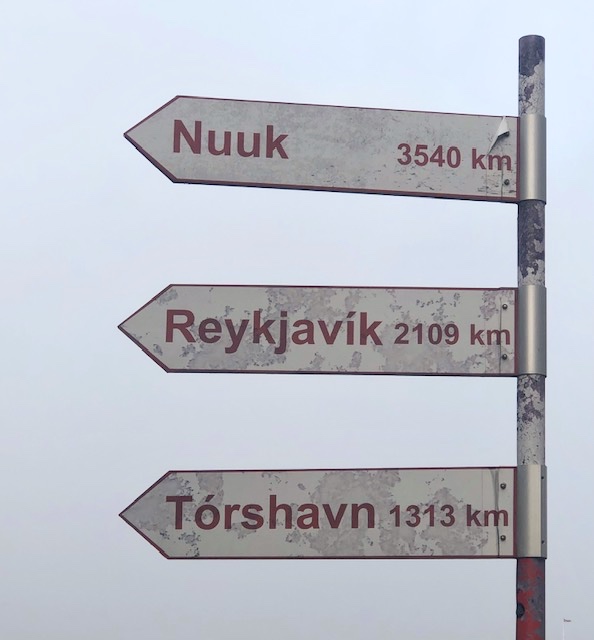
Bodil Begtrup had a strong bond with the Nordic countries, both personally and professionally, cf. her memoir "Woman in a World Community" (1986).
At her own request, Bodil Begtrup is buried beneath a natural stone at Skálholt in Iceland (1987).